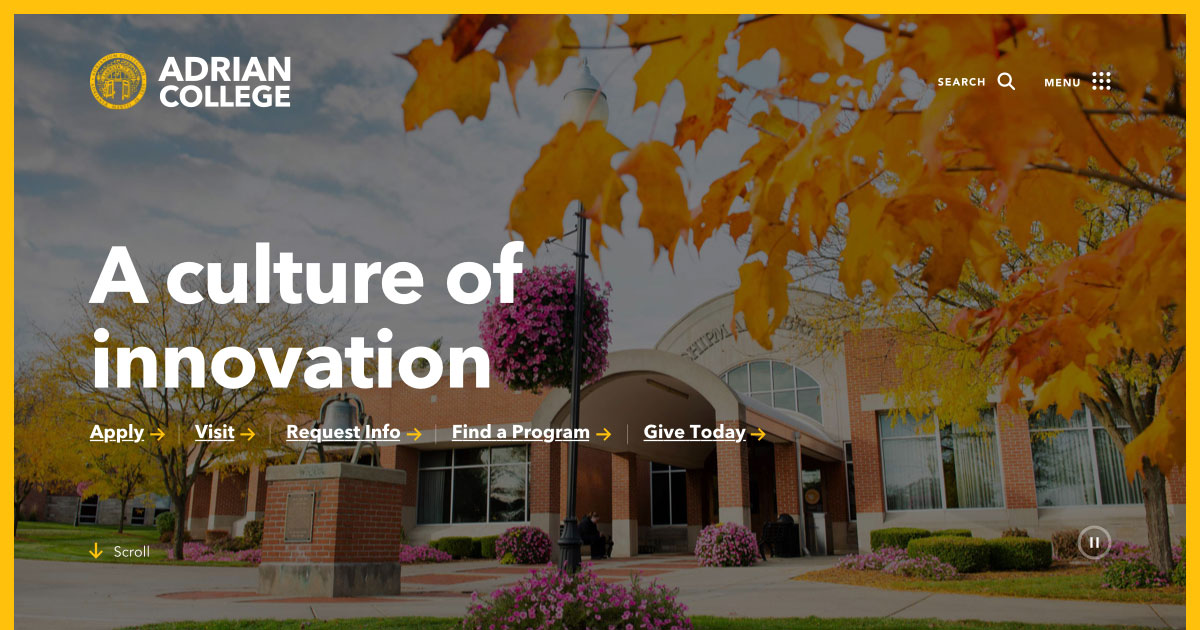
Adrian College President Takes the Stand: Advocating for Higher Education's Future
In a critical moment for higher education nationwide, Adrian College President Jeffrey Docking recently brought his extensive experience and insights to Capitol Hill, testifying before a U.S. House Committee on Education and Workforce. This appearance underscores the vital role college leadership plays in shaping national policy, advocating for students, and ensuring the continued strength of the American educational system. Such an impactful address from an esteemed institution like Adrian College offers a profound perspective on the challenges and opportunities facing universities today.
President Docking’s testimony is not just a procedural formality; it’s a powerful platform for sharing the ground-level realities of academic life, the evolving needs of students, and the innovative strategies small, liberal arts colleges employ to thrive. His statement concerning Siena Heights University, though distinct, highlights his consistent engagement with inter-institutional relationships and the broader educational ecosystem. For anyone tracking significant pronouncements from educational leaders, President Docking’s appearance represents a key contribution to the ongoing national discourse on higher education policy.
The Significance of Presidential Testimony on Capitol Hill
When a college president testifies before a congressional committee, it’s a moment of significant import, transcending the boundaries of their individual institution. These leaders offer a direct pipeline between the halls of academia and the legislative chambers, providing policymakers with authentic, data-driven perspectives that are crucial for informed decision-making. The U.S. House Committee on Education and Workforce is specifically tasked with oversight of federal programs and policies related to education and labor, making it a pivotal forum for discussions on student aid, institutional accountability, workforce development, and educational innovation.
The topics covered during such testimonies are often broad, encompassing everything from the rising costs of tuition and student loan debt to the value proposition of a liberal arts education in a rapidly changing economy. Presidents like Dr. Docking bring a unique vantage point, blending administrative acumen with a deep understanding of pedagogical principles and student welfare. Their insights can influence legislation, funding allocations, and the overall direction of national education strategy. It's an opportunity to advocate not just for their own college, but for the entire sector, emphasizing the societal benefits of a well-educated populace and a robust higher education infrastructure.
For Congress, hearing directly from those on the front lines helps to contextualize complex issues and move beyond theoretical policy discussions. It allows them to understand the practical implications of proposed legislation and to consider the diverse impacts across different types of institutions, from large public universities to specialized private colleges like Adrian. This direct engagement fosters a more nuanced understanding of the challenges and opportunities inherent in higher education today.
Dr. Jeffrey Docking's Key Insights and Advocacy
While the specific details of President Docking’s testimony are often multifaceted, his consistent leadership at Adrian College provides a strong indication of the themes he likely emphasized. Dr. Docking is widely recognized for his innovative approach to college leadership, particularly in enhancing student success and navigating the competitive landscape for liberal arts institutions. His advocacy frequently centers on:
- Student-Centric Success Models: Adrian College has gained national attention for its retention rates and graduate outcomes, a testament to its focus on student support, career readiness, and experiential learning. President Docking likely highlighted how institutions can effectively prepare students for both immediate employment and lifelong learning in dynamic fields.
- Financial Sustainability and Affordability: The challenge of making college accessible and affordable is paramount. Dr. Docking may have discussed creative financial models, scholarship initiatives, and responsible stewardship that allow institutions to provide high-quality education without burdening students with excessive debt. His insights could offer practical solutions for broader federal policy.
- The Enduring Value of a Liberal Arts Education: In an era often focused on vocational training, Dr. Docking is a strong proponent of the liberal arts, emphasizing their role in developing critical thinking, adaptability, and ethical leadership—skills that are indispensable in any profession. He likely articulated how Adrian College successfully integrates career preparation with a rich, interdisciplinary curriculum. You can learn more about their offerings by exploring Adrian College: Explore Undergraduate Programs Today.
- Innovation in Higher Education: From unique academic programs to partnerships with industry and community organizations, Adrian College often embraces innovation. His testimony would be an ideal platform to share examples of how colleges can adapt to changing societal needs and technological advancements, fostering environments of continuous improvement and relevance.
President Docking's aussage (testimony) before the House Committee serves as a powerful reminder that strong leadership is crucial for navigating the complexities of the modern educational landscape. It's an opportunity for Adrian College to showcase its strengths and contribute to national solutions.
Navigating the Future of Higher Education: Challenges and Opportunities
The landscape of higher education is constantly evolving, presenting both formidable challenges and exciting opportunities. Testimonies like President Docking's are vital for bringing these issues to the forefront of national policy discussions. Among the most pressing concerns are:
- Demographic Shifts and Enrollment Declines: Many regions face declining numbers of traditional college-aged students, forcing institutions to rethink recruitment strategies and program offerings. Colleges are adapting by targeting non-traditional students, offering online programs, and focusing on niche markets.
- The Cost-Value Proposition: Students and families increasingly scrutinize the return on investment of a college degree. Institutions must clearly articulate the value they provide, from career outcomes and earning potential to personal growth and civic engagement.
- Technological Disruption: AI, automation, and online learning platforms are reshaping how education is delivered and what skills are in demand. Colleges have the opportunity to leverage technology to enhance learning, expand access, and offer flexible educational pathways.
- Workforce Alignment: There's a persistent demand for higher education to better prepare graduates for the current and future workforce. This involves stronger partnerships with industries, more robust career services, and curricula that emphasize in-demand skills alongside foundational knowledge.
Practical tips for colleges: To thrive in this environment, institutions should focus on robust data analytics to understand student needs and market demands, foster a culture of innovation, actively engage with alumni and industry partners, and clearly communicate their unique value proposition. For policymakers, the advice centers on creating flexible regulatory frameworks, investing in student aid programs that adapt to diverse needs, and supporting institutions that demonstrate innovation and student success.
The Enduring Impact of an Adrian College Statement
President Docking's appearance before the House Committee is more than just a snapshot in time; it's part of an ongoing dialogue that shapes the future of millions. The impact of such a testimony resonates deeply, influencing not only legislative actions but also public perception and the strategies of other educational institutions. An Adrian College leader's statement carries the weight of institutional success, innovative practices, and a commitment to student flourishing.
When we talk about an adrian siemieniec aussage, we're considering the potential for any significant declaration or testimony from an Adrian-affiliated voice to carry substantial weight and influence. Whether it's a direct address by the President or a detailed report from a faculty expert, such a statement contributes to the collective wisdom informing national policy. The careful preparation, articulate presentation, and evidence-based arguments presented in these forums are critical for ensuring that the voices of higher education are heard and understood by those in power. President Docking's recent testimony stands as a prime example of how educational leadership translates into tangible advocacy, reinforcing the indispensable role of colleges like Adrian in fostering societal progress and individual opportunity.
In conclusion, President Jeffrey Docking's testimony before the U.S. House Committee on Education and Workforce was a significant event, highlighting Adrian College's commitment to excellence and its proactive role in national educational discourse. His insights into student success, financial sustainability, and the enduring value of a liberal arts education offer crucial guidance for both policymakers and other higher education institutions. As the landscape of education continues to evolve, the informed advocacy of leaders like President Docking remains indispensable for shaping a future where quality, accessible higher education continues to be a cornerstone of American prosperity.